

A Town of Many Voices
New Castle’s history isn’t just about old buildings - it’s about the people who lived here and the stories they created. Over hundreds of years, people from different backgrounds, cultures, and beliefs helped shape the town. Sometimes they worked together, and sometimes they struggled against unfairness or division.
Women, immigrants and Black families built strong communities of their own, even when they weren’t given the same chances as others. Local groups, churches, and reform movements — including early fights for women’s rights — pushed for change and left a lasting impact on the town.
New Castle’s past shows both the exciting possibilities and the difficult challenges that have always been part of America’s story.

Employees of George T. Tobin & Sons, Butchers, circa late 1940s.

Mary Shaw was one of the founders of the New Castle Historical Society and the Arasapha Garden Club. She helped purchase the Amstel House in 1929 to ensure its preservation.
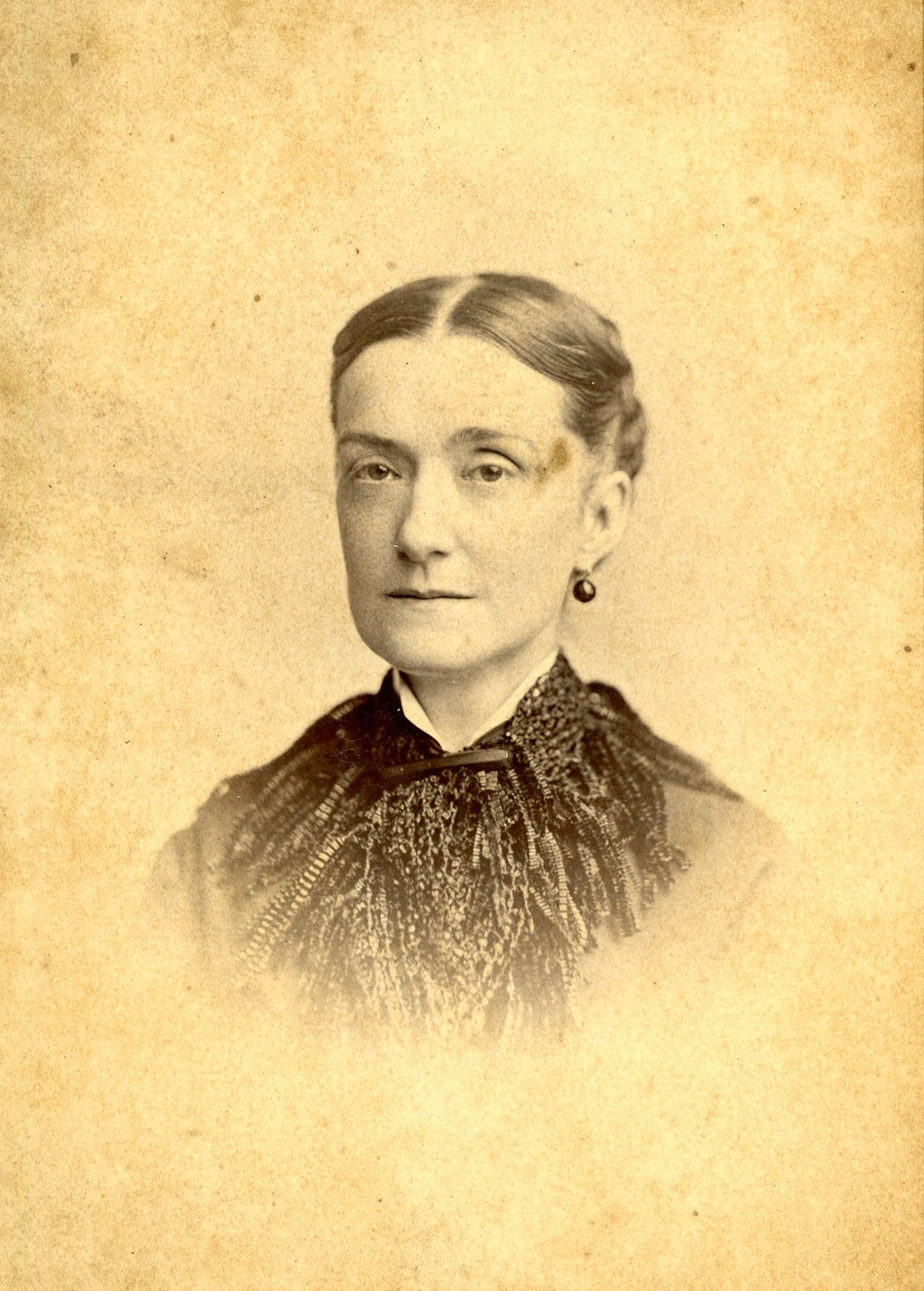
Born in 1843 in Chester Co, PA, Margaret Bates came to New Castle after the Civil War when she married Aquila Hizar. She resided here until her death in 1914 and is interred at St. Peter's graveyard in New Castle.
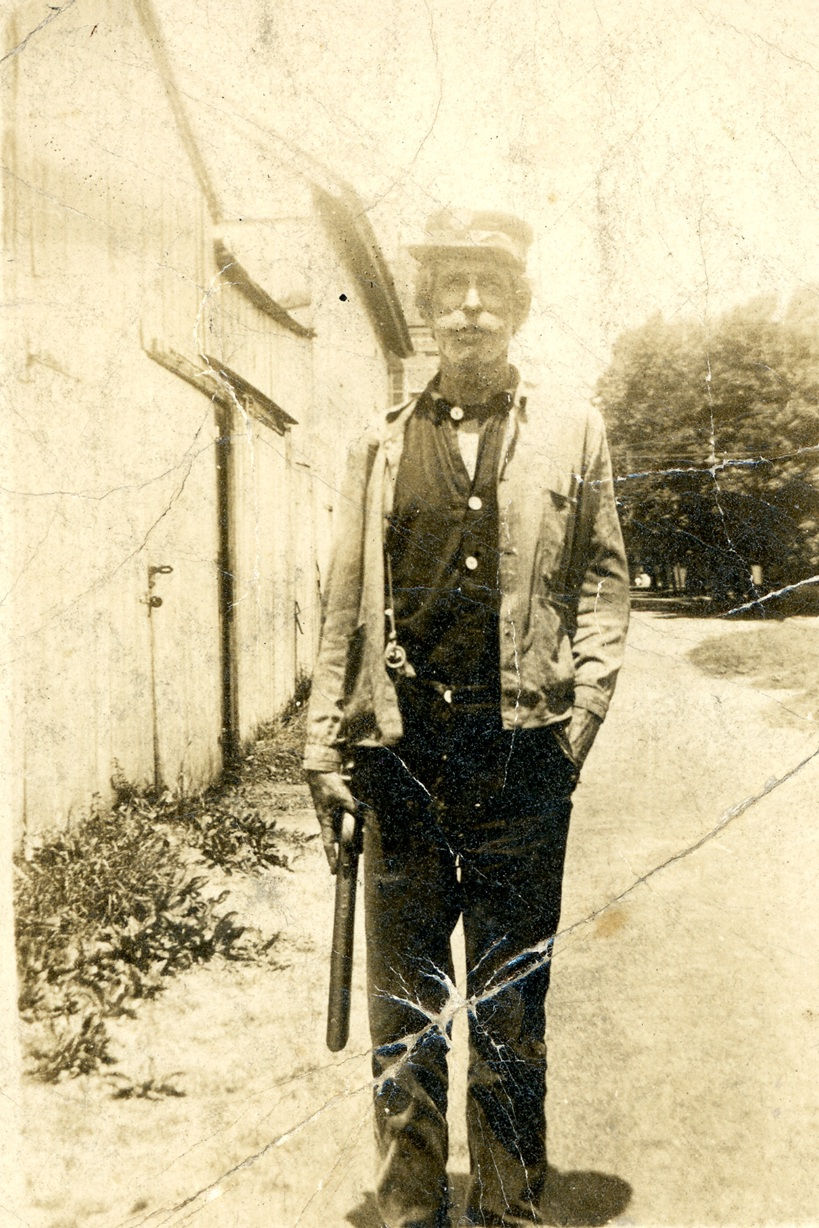
"Captain" Leslie Truss was best known for piloting a barge carrying powder between DuPont's Carney's Point works in NJ & New Castle. The powder was used to load artillery shells at New Castle's Bethlehem Steel's loading plant during WWI.
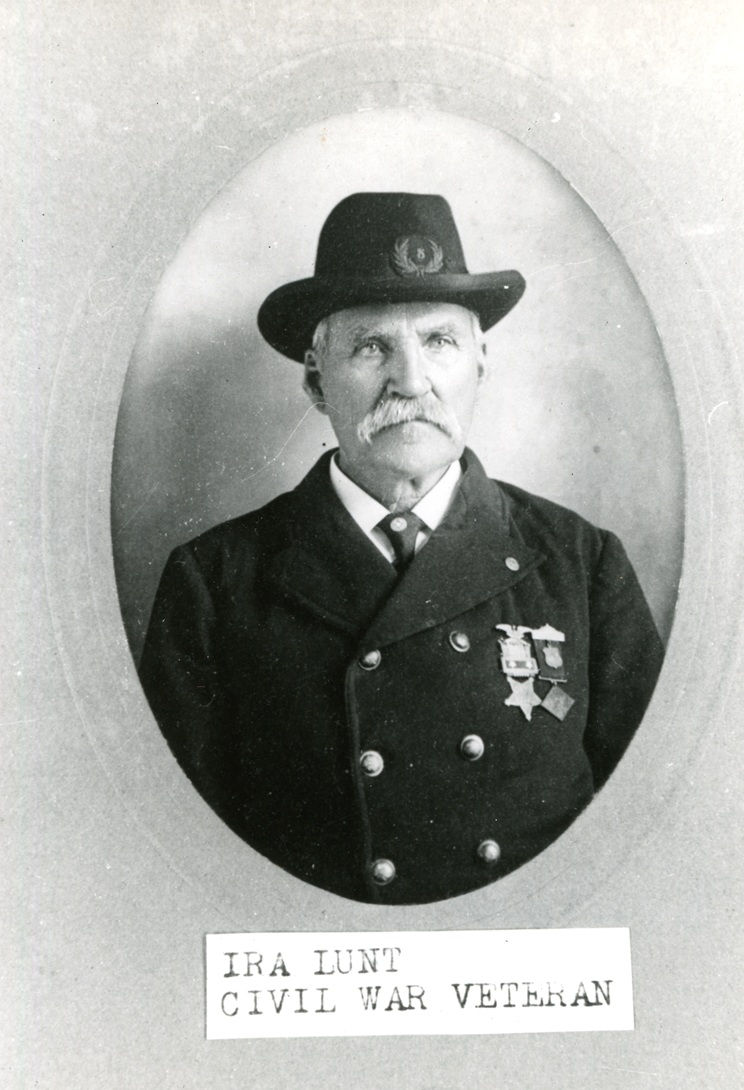
Ira Lunt moved to New Castle from Maine in 1875 to construct six ice breakers in New Castle's harbor. His New England style home still stands at the corner of Chestnut and East Third Streets.

Francis Roy was born in 1917 and lived his early life on Fourth Street in New Castle. Fourth Street was one of the main residential streets for New Castle's Black community.
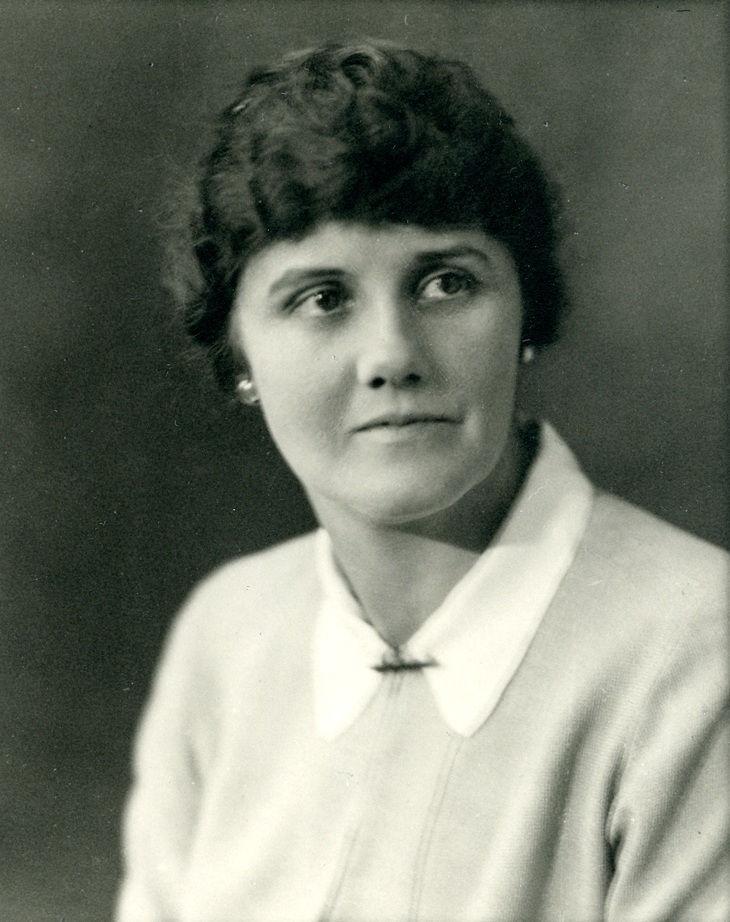
Edna Deakyne and her husband Horace operated New Castle's Court House Tea Room in the early 20th century.

The employees of Deemer Steel Casting Company in 1942

David Boulden operated a general merchandise store on The Strand in the second half of the 19th century and early 20th century.


Fighting for the Vote:
New Castle’s Fearless Suffragists
For a long time in America, women didn't have suffrage: the legal right to vote. They had to fight for decades to prove they deserved the same say in government as men.
Here in New Castle, several brave women were leaders in this national fight. During World War I, Florence Bayard Hilles, Catherine Boyle, and Mary Lavitky worked at the local Bethlehem Steel plant making ammunition for the army. Their work made them realize they wanted a voice in their country. They didn't just ask for the vote - they became activists. They traveled to Washington, D.C., to protest in front of the White House. They were even arrested and spent time in jail for standing up for what they believed in.
In 1920, the 19th Amendment was passed, giving women the legal right to vote. This was a huge victory, but these women didn't stop there. They spent the rest of their lives working to make their communities better. For example, Florence Bayard Hilles helped start the New Castle Historical Society. She knew that saving the town's history was just as important as changing its future.
Background image courtesy of Library of Congress

New Castle's Catherine Boyle
Collection of New Castle Historical Society

New Castle's Florence Bayard Hilles
Courtesy of the Library of Congress

A Legacy that Lives On:
Two Centuries of
Bethany U.A.M.E. Church
Delaware played an important role in the history of Black churches in America. Two Black men in Wilmington - Peter Spencer and William Anderson - were inspired by John Wesley, the founder of the Methodist movement. Wesley was a fierce opponent of slavery and invited everyone, including enslaved Black people, to be part of his church.
Even though they were welcome in the Methodist church, Peter Spencer and William Anderson wanted something more: a church run entirely by Black people for Black people. In 1813, they started the Mother African Union Methodist Protestant Church in Wilmington. It was the very first independent Black religious group in the United States. Almost 40 years later, in 1851, the church split, leading to Peter Spencer’s creation of the Union American Methodist Episcopal (U.A.M.E.) Church.
New Castle’s Bethany U.A.M.E. Church, at the corner of Fifth and William Streets, was started with the help of Peter Spencer in 1817. Over 200 years later, the church is still active today, with a congregation that continues the legacy started by Peter Spencer and William Anderson.


New Castle’s Italian Pioneers
From the 1880s to the 1920s over 4 million Italians immigrated to the U.S., most of them coming between 1900 and 1910. They were all seeking more opportunity and a better life.
Many of New Castle’s Italian immigrants came from Abruzzo, a province in central Italy, and settled in the neighborhood called “Shawtown.” Once established in Shawtown, they continued observing their customs and traditions while living their new lives in New Castle.
The Shawtown community was tight knit. They celebrated happy and sad occasions together, played sports, raised gardens, and spent lots of time with family.
Like many immigrants, those leaving Italy brought their religion with them. St. Peter the Apostle Parish served their needs to observe their Catholic faith and educate their children. While some Italian immigrants ultimately sent their children to public schools, the majority of first-generation Italian Americans in New Castle attended St. Peter’s School.
St. Peter's Catholic Church

Books Beneath The Boards:
The Story of New Castle’s
Black Schools
For a long time in America, education was not fair. Before the Civil War, in many states it was illegal for enslaved people to learn how to read or write. Even after those laws ended, Black children were often blocked from going to public schools.
But in New Castle, the story was a little different. While things were still very difficult, there were people working to make sure Black children could get an education.
A group called the Quakers (also known as the Society of Friends) believed everyone deserved to learn. They helped set up some of the first schools for Black students. We know these schools existed because local historians found a book from 1838 hidden under the floorboards of a New Castle building. Inside, a handwritten note said, “African Sabbath School, New Castle.”
The Williams Street School, New Castle’s first official school for Black students, opened in 1867. For years, it didn't get any money from the government; it only stayed open because people in the community donated their own money to pay for it.
In the 1920s, Pierre S. du Pont saw the poor quality of Delaware’s schools for Black students. He used his own money to build 90 schools across the state, including two schools in New Castle. Booker T. Washington School on South Street was built in 1923, and Buttonwood School was built in New Castle’s Buttonwood neighborhood in 1926.